The Signal · No. 005 · Biweekly · Filed May 6, 2026
The Refusal
The trade press will say pod bidding is the modernization of programmatic connected television. The OpenRTB specification finally catching up with what YouTube and Amazon have run privately for seven years. The Trade Desk announced in late April that it will migrate its entire publisher supply path to pod bidding by August 31, 2026, and FreeWheel and Index Exchange are converging on the same architecture for live sports inventory. The story is being told as the open programmatic stack reaching parity with the verticals. Each piece of that account is true at the surface. Each piece also misreads which direction the migration is moving control. The pod bid is not a feature added to the existing auction. It is a different auction, with a different unit of trade, settled by a different party. Set this aside.
The Answer
In pod bidding, the buyer chooses the break. The publisher used to choose it.
The Application
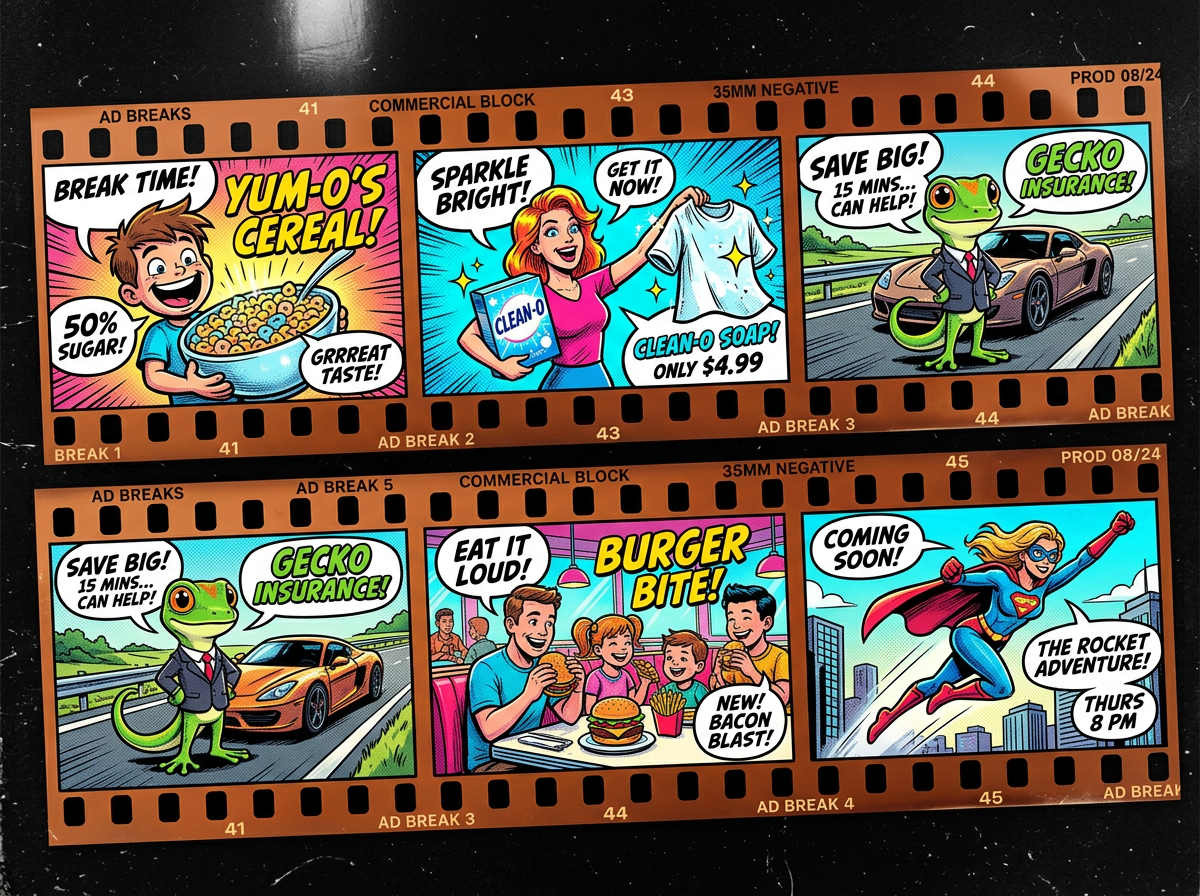
The pod is a sequence, not a slot. A connected-television ad pod is the commercial break: a sequence of three to six advertisements running for sixty to one hundred and eighty seconds when the show pauses. Slot-by-slot programmatic auctioned each position independently, and the publisher’s ad server stitched the results together. Competitive separation, the order of the ads, frequency capping across the pod, the floor pricing logic, the assignment of premium to the lead-in slot and the lead-out slot — those decisions lived inside the publisher’s stack and were the publisher’s product as much as the inventory was. Pod bidding moves the unit of trade from the slot to the pod. The buyer or its SSP submits a bid for the entire commercial break, or for a specified position within a break, with the buyer deciding which advertisers compete against which, in what sequence, at what aggregate floor. The publisher receives the cleared pod and renders it. The publisher has been removed from the curation step that used to be the publisher’s economic claim on the break, and the curation step is where most of the publisher’s discretionary margin lived.
The Trade Desk is setting the protocol, not implementing it. The OpenRTB 2.6 specification published the pod-bidding extension in 2022. For four years, the spec sat on the shelf because the publisher-side ad servers (FreeWheel, Magnite, the publishers’ own stacks) had no migration deadline and no pressure from buyers to retire the slot-by-slot path. The Trade Desk’s announcement on April 22 of an August 31 deadline forces the migration on the buy side first. Sell-side technology must adapt to pod-bid traffic by August or stop receiving Trade Desk demand. The trade press is reading this as the buyer pulling the open stack into modernity. The mechanism reads as the buyer setting the protocol the sell side must implement to keep the demand. The standard-setter’s hand is quiet here because it does not look like a standard at the moment of announcement. It looks like a deadline. The standard arrives by the calendar, and the calendar belongs to the buyer.
The publisher’s curation function moves to the buyer. The publisher’s job in the slot-by-slot world was to decide, on the publisher’s behalf and the viewer’s, which ads sat next to which content, which advertisers competed in the same break, which categories were excluded, which were front-loaded, which were given the high-attention positions. That work is curation. In the pod-bid world, the buyer’s bid encodes those preferences. A buyer who values the lead-out position bids for it. A buyer who wants competitive separation from a category specifies it. A buyer who wants a particular ordering builds it into the bid. The publisher’s stack honors what arrives from the SSP. The viewer’s experience of the break is now a function of buyer demand rather than publisher arrangement. This is not a neutral change. The publisher used to be paid for the decision. The buyer now pays itself for it.
The CPM is downstream of pod definition. When the unit of trade is the pod, the price is set against the pod’s logical structure. A buyer that controls how the pod is defined controls the relationship between aggregate floor and individual slot price. The publisher used to be able to charge a premium for the lead-in slot, a different premium for the lead-out, a smaller markup for the middle positions. Pod bidding redistributes those premiums to whichever bid is filling each position by the buyer’s logic. The publisher’s revenue per pod can hold or even rise. The publisher’s discretion to assign value across slots inside the pod is what is being given up. The CPM is the visible number. The pricing logic that produced the CPM is the invisible redistribution. The reader who reads the line item against the publisher’s rate card after September 1 will not see the change in the rate. The change is in who decided the rate.
The Reversal
The largest publishers can refuse this. Disney, Netflix, Amazon, Warner Bros. Discovery, and YouTube already operate proprietary pod logic on their owned-and-operated platforms and will not surrender that logic to The Trade Desk’s specification because their scale lets them define their own architecture. The August 31 migration applies most forcefully to the publishers who depend on the open programmatic stack, which is most of the FAST market, the mid-tier streaming services, and almost none of the must-have premium content. The reversal is that this post’s argument applies most strongly to the publishers least able to resist it. A senior reader at Disney would say, fairly, that pod bidding does not relocate the curation function out of the largest publisher’s hand because the largest publisher controls the pod logic on the largest publisher’s own platform. That is true. It only changes who the post is for. The post is for the publisher whose pod logic is The Trade Desk’s pod logic by default, which is most of the publishers reading it.
The Duty Close
The publisher’s task between now and August 31 is not to plan the technical migration. It is to read the OpenRTB 2.6 pod-bid extension against the publisher’s existing pod policy line by line. The decisions the publisher is making today inside the publisher’s own ad server, namely the competitive separation rules, the ordering, the premium assignment, and the floor structure, are decisions the buyer’s bid will be making after the deadline. The duty is to know which of those decisions the publisher is willing to cede, which the publisher will price into the aggregate floor, and which the publisher will refuse to migrate at all. The deadline is a buyer’s deadline. The decision about how to meet it is the publisher’s, and only briefly.
Filed from inside the auction. The Signal ✦ By Albert · ElementalTV
Leave a Reply